
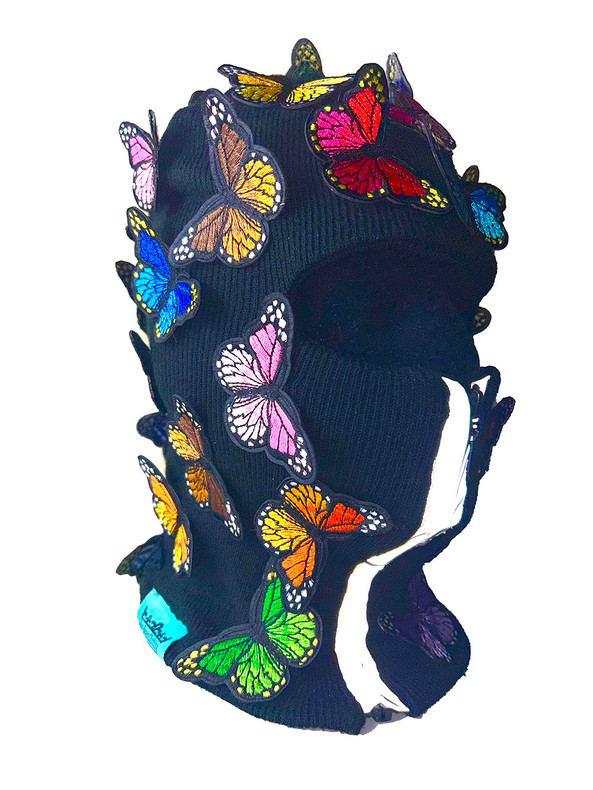
To build a wardrobe that feels like you, it has to fit the life you actually live most of the time.
Do a 5-minute lifestyle snapshot
Grab a piece of paper or open your notes app and estimate:
- Work / school:
Do you work from home, in an office, in a casual environment, or on your feet? - Off-duty:
How do you usually spend evenings and weekends—out, at home, with kids, with friends? - Events:
How often do you attend weddings, formal events, or fancy dinners? - Climate:
Hot most of the year? Four seasons? Lots of rain?
Now, turn this into rough percentages for a typical month:
- ___% super casual (home, errands, school run)
- ___% smart casual (office, casual dates, dinners)
- ___% dressy (events, parties, weddings)
Those percentages should guide how much of your wardrobe falls into each category. If 70% of your life is casual, 70% of your clothes should probably be in that world.
This is how an intentional wardrobe quietly starts to take shape.
Step 3: Choose Your Style Words — Your Personal North Star
Instead of copying someone else’s vibe, define your own.
Pick 3–5 style words that describe how you want to look and feel in your clothes. Think about:
- How you want others to perceive you
- How you want to feel in your body
- The energy you want your clothes to give off
Examples:
- “Relaxed, natural, feminine, arty”
- “Minimal, polished, soft, modern”
- “Playful, colorful, bold, comfortable”
- “Effortless, romantic, practical, grounded”
There’s no right answer. If you’re stuck, look at:
- Saved outfits on Pinterest or Instagram
- Characters in movies or TV whose style you like
- Friends whose outfits make you think, “That feels like them.”
Write your style words somewhere you’ll see them often.
New rule: If a piece doesn’t fit at least 3 of your style words, it’s probably not for your intentional wardrobe.
Step 4: Set a Simple Color Palette That Loves You Back
A wardrobe that feels cohesive (and easy to dress from) usually has a loose color palette. Not a strict capsule, just… boundaries.
Start with 2–3 base colors
These are the neutrals you can wear over and over:
- Black, white, grey
- Navy, beige, camel
- Cream, chocolate brown, olive
Pick 2–3 that:
- You already wear a lot
- Work with your hair, eyes, and skin tone
- Fit your lifestyle (e.g., a mom of toddlers might skip all-white pants!)
Add 2–3 accent colors
These are your personality colors—used in tops, dresses, accessories:
- Deep green, rust, burgundy
- Dusty rose, lavender, soft blue
- Mustard, teal, coral
Your accent colors should:
- Make you feel alive when you wear them
- Mix well with your base colors
Now your future purchases have a gentle boundary: Does this color play well with my palette, or will it be a lonely piece I never style?
Step 5: Gently Audit Your Closet (No Ruthless Decluttering Required)
You don’t need a dramatic “everything on the bed” moment to build an intentional wardrobe. You can do this drawer by drawer, section by section, over time.
Start with your everyday clothes
Choose one category:
- Tops you wear Monday–Friday
- Jeans and pants
- Everyday dresses
For each piece, ask:
- Do I actually wear this? (In the last 3–6 months, in my real life?)
- Does it fit my body today comfortably?
- Does it match my style words and color palette?
- When I put it on, do I like how I feel?
Create four simple piles or labels:
- Love & wear often → These are your current heroes
- Like but rarely wear → Needs investigation (fit? occasion? styling?)
- Not me anymore → Donate, sell, or repurpose
- Seasonal / special occasion → Store separately so they don’t clutter daily choices
You can do this over weeks or months. Even 15 minutes on a Sunday still counts.
Step 6: Spot Your “Wardrobe Heroes” and Build Around Them
The most powerful part of an intentional, slow wardrobe is knowing what already works.
Look at your “Love & wear often” pile and notice patterns:
- Are your favorite pieces usually soft and drapey or structured and sharp?
- Do you reach for jeans, flowy dresses, or wide-leg pants more?
- Which necklines and lengths do you repeat: V-neck, crew neck, midi, mini?
Make a short list:
“I feel best in: high-waisted pants, soft fabrics, midi dresses, and neutral tops.”
“I usually hate: low-rise anything, stiff fabrics, loud prints, and super tight sleeves.”
These clues are gold. They tell you what your authentic personal style already is—whether you’ve named it or not.
From now on, when something catches your eye online or in-store, you can ask:
“Is this similar to things I already love, or is it repeating a mistake from my ‘never wear’ pile?”
A real-life wardrobe hero: wide-leg jeans
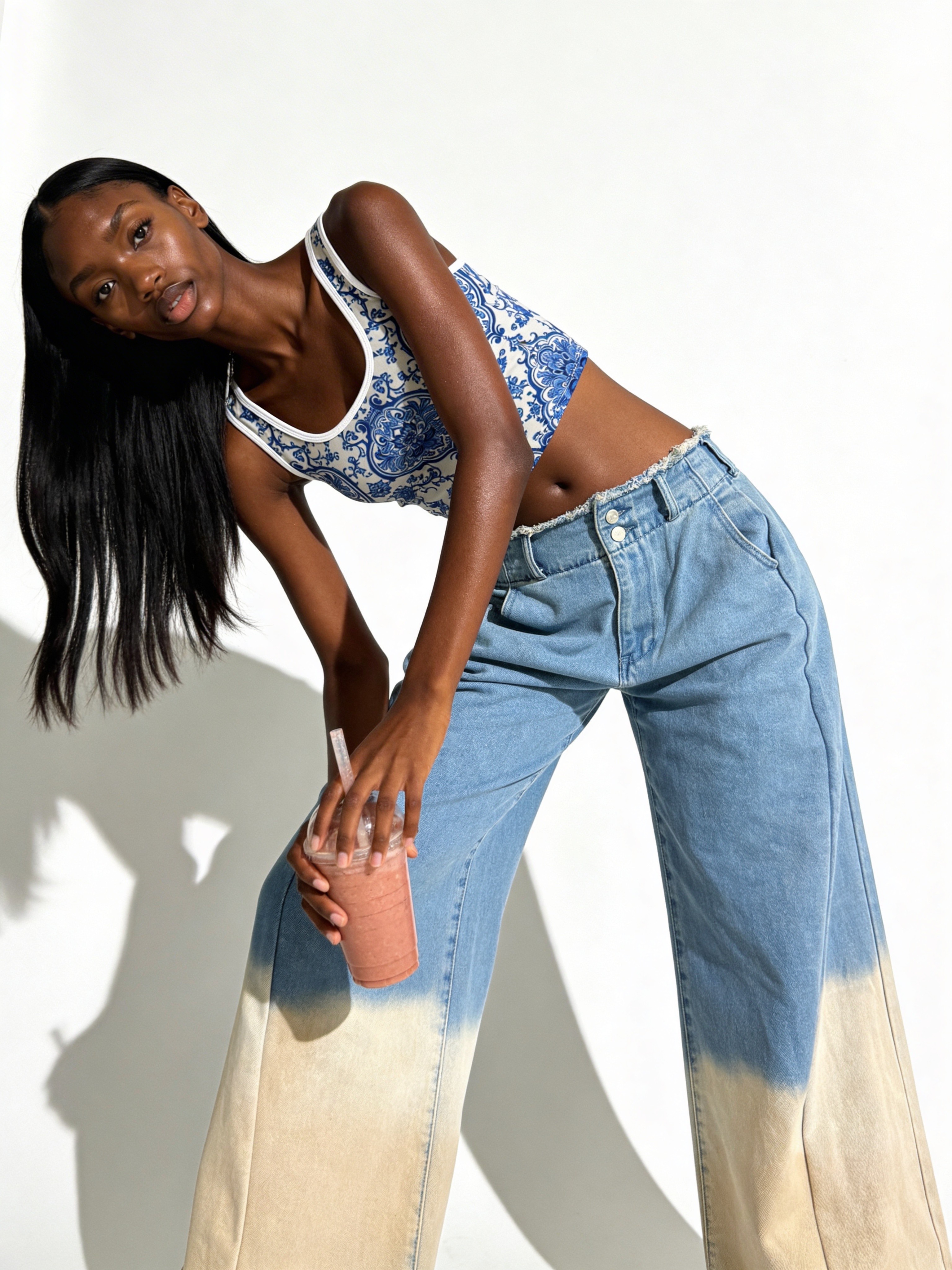
For many people, a great pair of wide-leg jeans becomes an instant hero piece. They’re comfortable, flattering, and work with sneakers, boots, and heels.
A pair of wide-leg jeans can easily become a wardrobe hero you style again and again. Shop this pair from Lilian Raven
→ 
Statement accessories that still feel like you
Sometimes your “this is SO me” item isn’t a big piece at all—it’s an accessory you wear constantly, like a scarf, hat, or durag.
Real-life wardrobe hero — our orange camo durag adds personality and practicality to an everyday work outfit

Pieces like this orange camo durag become instant “you” items—practical enough for real life, but bold enough to express your personality every time you get dressed.
Step 7: Create One or Two “Everyday Uniforms”
A uniform isn’t boring. It’s the outfit formula that makes you feel most like yourself.
Examples of everyday uniforms
- Creative casual:
Wide-leg jeans + tucked-in tee + oversized cardigan + boots - Soft minimalist:
Neutral slip skirt + simple tank + longline blazer + sneakers - Comfort-first WFH:
Soft joggers + fitted tee + cozy oversized sweater + slides - Polished office:
Straight-leg trousers + silky blouse + lightweight blazer + loafers
Look at what you already reach for and build a simple formula:
“Most days, I love: high-waisted jeans + simple top + third layer (cardigan/jacket) + sneakers or boots.”
That formula becomes the backbone of your intentional wardrobe.
You don’t need 20 totally different outfit ideas. You need a few uniforms that can shape your future purchases.
Step 8: Make a Gentle, Long-Term Wardrobe Plan
Instead of a huge shopping spree, create a slow shopping list.
Identify the gaps
Based on your lifestyle snapshot, style words, and uniforms, write down:
- What you wish you had more of (e.g., “comfortable basics for working from home”)
- What’s missing for your most common situations (e.g., “one dress I actually like for nice dinners”)
Turn this into a prioritized list of 3–10 pieces to find over the next 6–12 months, such as:
- Dark, high-waisted jeans that actually fit
- Everyday sneakers in a neutral color
- A black or navy dress you can wear to work and dinner
- Two soft, high-quality basic tees in your favorite neutral
- A warm, not-itchy cardigan in a base color
This becomes your intentional wardrobe roadmap. It takes the edge off shopping: you know what you’re looking for, so it’s easier to say no to everything else.
Step 9: Adopt Slow Shopping Rules That Protect Your Budget
Here’s where your slow wardrobe really begins.
Use these gentle rules for every potential purchase
- The Pause Rule (24–72 hours)
If you see something you like online, add it to a wish list or cart, then wait at least one day. Most impulse wants fade. True needs stick around. - The Three-Outfit Test
Ask: Can I style this three different ways with pieces I already own? - If yes → it plays nicely with your current wardrobe
- If no → it might become a “wear once, then regret” piece
- The Comfort + Confidence Check
When you try it on (at home or in-store), notice: - Am I tugging, adjusting, or sucking in constantly?
- Do I feel like a slightly more me version of myself—or like I’m in costume?
- Upgrade, Don’t Duplicate
Whenever possible, use your budget to upgrade what you already wear constantly instead of buying a fifth version of something you barely wear. - Price-per-wear mindset
A $30 dress you wear twice costs more per wear than a $120 dress you wear twice a month for two years. Your slow wardrobe values longevity, not just sticker price.
Step 10: Make Friends with Tailoring, Repair, and Sewing
A wardrobe that feels like you doesn’t have to be brand new.
Tailoring: the secret weapon
Many “almost right” pieces become favorites with tiny tweaks:
- Shortening straps on dresses or tops
- Taking in or letting out the waist slightly
- Hemming pants to your ideal length
If you can find a local tailor, alterations often cost less than replacing the item—and make a dramatic difference in how you feel.
Tailoring is also a great entry point into sewing your own clothes or learning basic repairs. That’s exactly why we offer sewing classes at Lilian Raven Clothing—to help you feel more confident, creative, and in control of your wardrobe.
Our classes were featured in the Los Angeles Times as one of the “8 great places to learn to sew in Los Angeles,” which we’re incredibly proud of. Whether you want to hem your own pants, tweak a thrifted find, or eventually make your own garments, learning a few sewing skills can deepen your connection to your clothes and make your wardrobe feel even more like you.
Explore Lilian Raven sewing classes in Los Angeles →
Repair instead of replace
- Fix small holes in sweaters
- Replace missing buttons
- Resole or clean up favorite shoes
This is the heart of a slow wardrobe: valuing what you have enough to care for it.
Shop secondhand with intention
Thrift stores, consignment, and resale apps can help you:
- Try out new silhouettes or colors inexpensively
- Find higher-quality fabrics at lower prices
- Reduce the environmental impact of your wardrobe
Bring your style words, color palette, and shopping list with you so you don’t leave with random “good deals” you’ll never wear.
Step 11: Let Your Style Evolve—On Purpose
Your body will change. Your job may change. Your taste will definitely change.
An intentional wardrobe isn’t fixed; it evolves slowly with you.
Every few months, check in:
- Do my style words still feel right? Would I swap one?
- Did I add anything I regret? Why?
- What pieces have quietly become new wardrobe heroes?
If something no longer feels like you, it’s okay to let it go—without guilt. That doesn’t mean you were “wasteful” or “bad with money.” It means you learned more about yourself.
A Gentle 3-Month Action Plan to Build a Wardrobe That Feels Like You
You don’t have to do everything at once. Here’s a realistic, slow plan.
Month 1: Clarity & Mini Closet Edit
- Choose your 3–5 style words
- Pick 2–3 base colors and 2–3 accent colors
- Do a light edit of one or two categories (e.g., tops and jeans)
- Identify your favorite outfits and write down what they have in common
Month 2: Uniforms & Shortlist
- Define 1–2 everyday uniforms that match your real life
- Notice what you keep reaching for every week
- Make a prioritized list of 3–10 gaps in your wardrobe
- Start a wish list for specific pieces—no pressure to buy yet
Month 3: Slow, Intentional Shopping
- Follow your pause rule before every purchase
- Use the three-outfit test and comfort + confidence check
- If your budget allows, slowly add 1–3 pieces from your list
- Consider tailoring or repairing 1–2 items you already own and love
- If you’re local to Los Angeles, book a beginner sewing class with Lilian Raven Clothing to learn simple alterations and repairs so you can get more life out of the clothes you already own
View upcoming Lilian Raven sewing classes →
Repeat and adjust each season. Over time, you’ll notice that:
- Getting dressed is less stressful
- You wear a higher percentage of your clothes
- Your wardrobe finally feels… like you
Research Sources:
- https://www.vogue.com/article/how-to-find-your-personal-style
- https://www.thegoodtrade.com/features/how-to-build-a-sustainable-wardrobe
- https://www.psychologytoday.com/us/blog/click-here-happiness/201809/decision-fatigue-why-it-matters-and-how-to-overcome-it
- https://www.nytimes.com/guides/smarterliving/how-to-clean-out-your-closet